

Mauritius Destinations
Seven traveller regions, from the North Coast resorts to the island of Rodrigues.
Hero image: dronepicr, CC BY 2.0, via Wikimedia Commons.
Mauritius is a volcanic island in the south-west Indian Ocean, almost entirely ringed by coral reef, with a mountainous interior that rises to the Central Plateau. Most visitors base themselves on the coast, and the coast you choose shapes the trip: the sheltered north and west, the breezier east, the airport-side south-east and the wilder south.
This guide groups Mauritius into seven traveller regions, including the outer island of Rodrigues. The regions are our own planning structure, adapted from the coastal areas used by the official tourism authority; they are not administrative districts.
Where to stay and what to book
Places to stay
In this guide
Mauritius destinations by region
Each region guide explains what the area is like, which places it covers and how it fits into a wider trip.
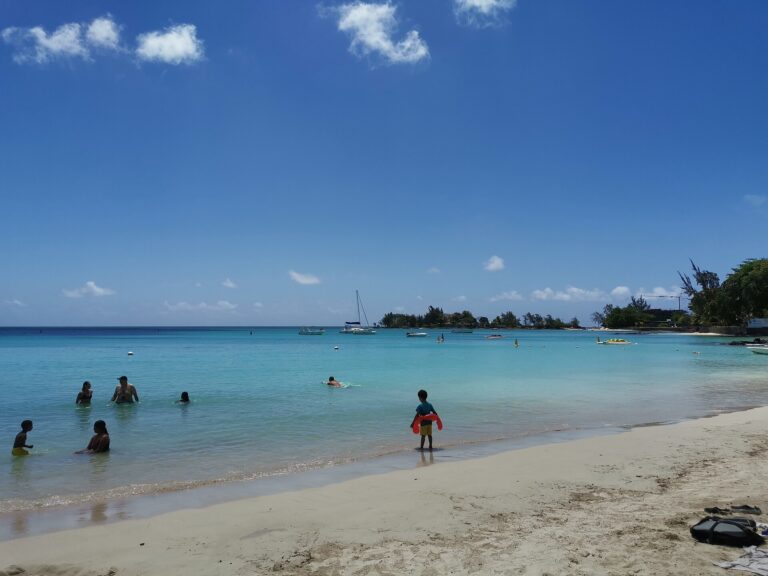 North CoastSheltered lagoon beaches, Grand Baie’s restaurants and boat trips to the northern islets.Explore North Coast
 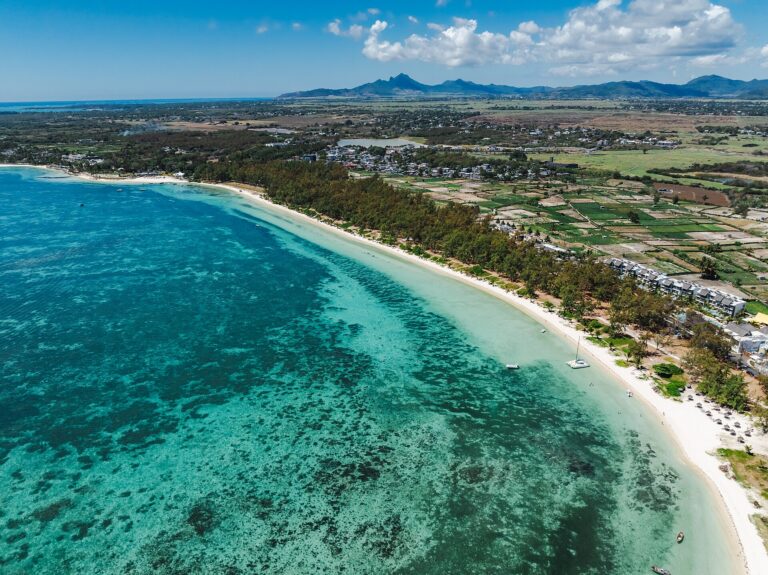 East CoastLong white-sand beaches, wide lagoons and boat trips to Île aux Cerfs, freshened by the trade winds.Explore East Coast
 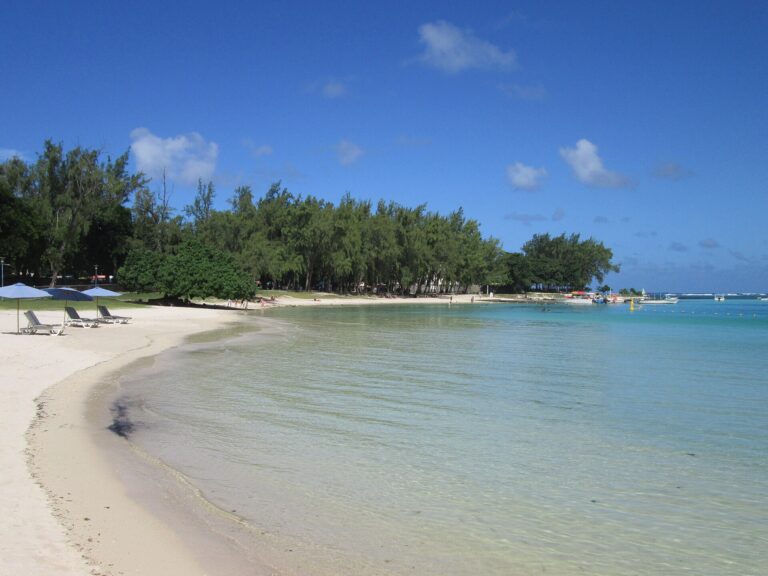 South-East CoastHistoric Mahébourg and the Blue Bay lagoon, the closest coastal base to the international airport.Explore South-East Coast
 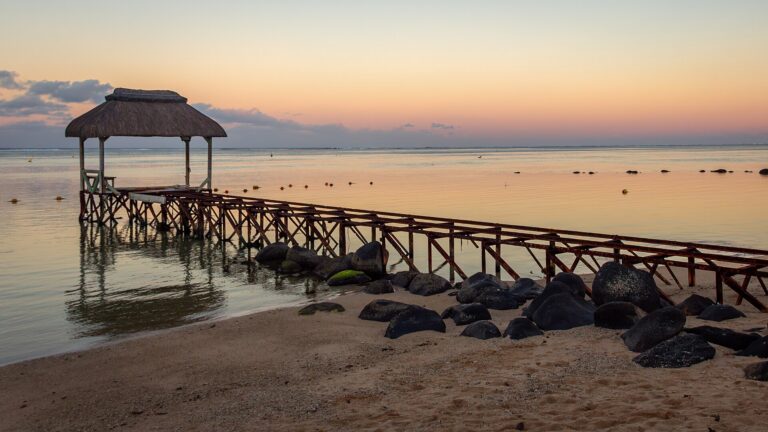 South CoastThe island’s wildest coast, with cliffs at Gris Gris and the resort area of Bel Ombre.Explore South Coast
  West & South-WestCalm lagoons and sunsets from Flic en Flac to Le Morne, with Chamarel and the Black River Gorges inland.Explore West & South-West
  Port Louis & Central PlateauThe capital’s markets and heritage sites, and the cooler towns and sacred lake of the uplands.Explore Port Louis & Central Plateau
 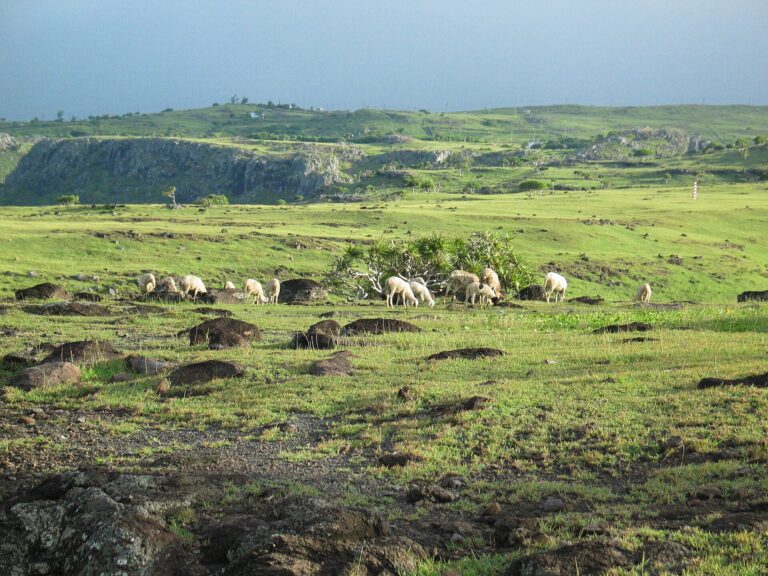 RodriguesA quiet, autonomous outer island far to the east, with Port Mathurin, wide lagoons and open hills.Explore Rodrigues
 Where most first-time visitors start
Most first-time visitors choose one coastal base for most of their stay and add day trips. The North Coast and the West & South-West are the most popular choices: both are sheltered from the prevailing winds, and both offer a mix of beaches, restaurants and sightseeing. The East Coast is the classic choice for a resort-based beach holiday.
On a trip of a week or more, many travellers split their stay between two contrasting coasts — for example the North Coast with the south-west, or the east with the south-west — and spend the first or last night near the airport on the South-East Coast. Rodrigues needs its own block of time.
Choosing regions by the trip you want
Match the region to the trip
- A busy resort town with restaurants
- North Coast, around Grand Baie
- Long beaches and larger resorts
- East Coast
- A short transfer from the airport
- South-East Coast
- A quieter, less developed coast
- South Coast
- Sunsets, calm lagoons and mountain walks
- West & South-West
- The capital, markets and heritage sites
- Port Louis & Central Plateau
- Slow travel away from the main island
- Rodrigues
Major Mauritius destinations
- Grand Baie
- Pereybère
- Trou aux Biches & Mont Choisy
- Pamplemousses
- Belle Mare
- Trou d’Eau Douce
- Île aux Cerfs
- Mahébourg
- Blue Bay & Pointe d’Esny
- Bel Ombre
- Flic en Flac
- Tamarin & Black River
- Le Morne
- Chamarel
- Black River Gorges National Park
- Port Louis
- Port Mathurin
Distances are shorter than they look — but slower
The main island is small — roughly 65 km from north to south — but journeys often take longer than the map suggests. Traffic builds around Port Louis and the plateau towns, minor roads are narrow and winding, and the uplands of the south-west are slow going. The airport is in the south-east, so a transfer to the North Coast or the south-west crosses most of the island.
Rodrigues is a separate island roughly 600 km to the east, reached only by air or sea. It cannot be added as a day trip.
When to visit Mauritius
Mauritius has a warm, humid summer from about November to April and a cooler, drier winter from about May to October. The cyclone season falls in the summer months. The south-east trade winds are strongest in winter, when the east and south coasts feel them most and the west and north are more sheltered.
Official sources for Mauritius destinations
Opening hours, entry fees, boat and transport schedules, access rules and park conditions change; check the official source before you travel.
- Mauritius Tourism Promotion Authority (MTPA) — official visitor information
- Mauritius Meteorological Services — forecasts, warnings and cyclone bulletins
- National Parks and Conservation Service — Black River Gorges and Bras d’Eau national parks
Where do you want to start?
Pick a region, then use its guide to choose a base.